

Why it matters to know about indoor air pollution and what to do about it
Most of us spend 90% of our day indoors, so the quality of our indoor air is as important as the quality of the air we breathe outdoors.
There is a growing body of evidence pointing to the significant harm that indoor air pollution is having on our health.
It still remains that there is much more material available and publicity about outdoor air pollution. So more needs to be done to raise people’s awareness of indoor air pollution, its causes and what we as individuals can do to make changes that will benefit us at home.
There are also implications for policy makers and legislators on the subject too, concerning contents of household cleaning products, building materials and furnishings for example.
Sources of indoor air pollution
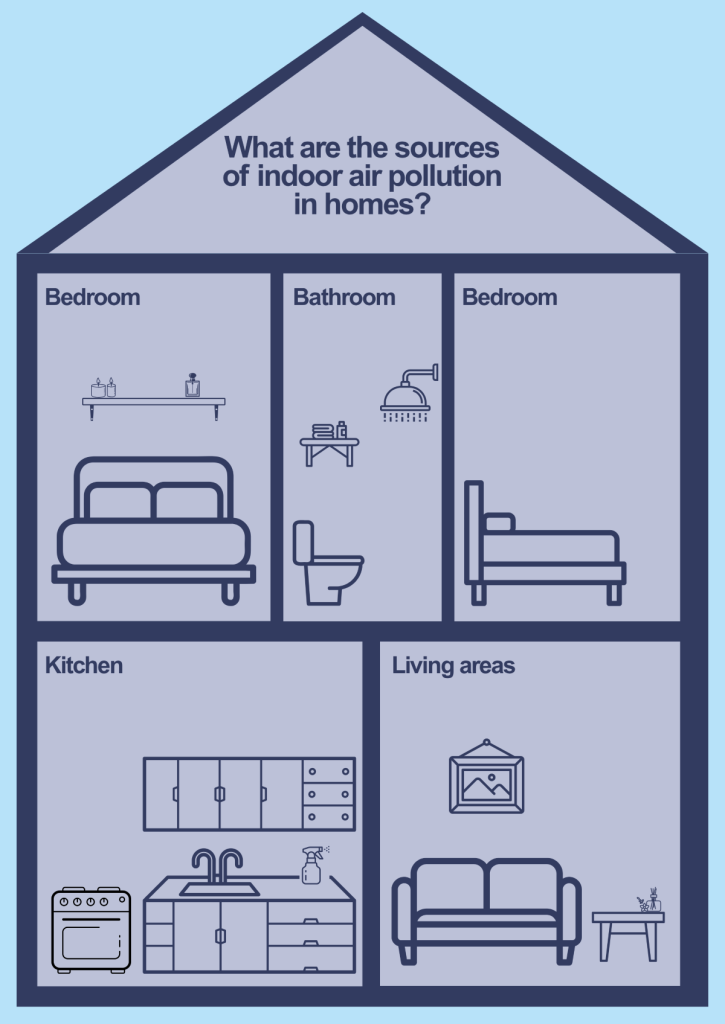
- Chemicals in building materials, furnishings, aerosol sprays and cleaning products
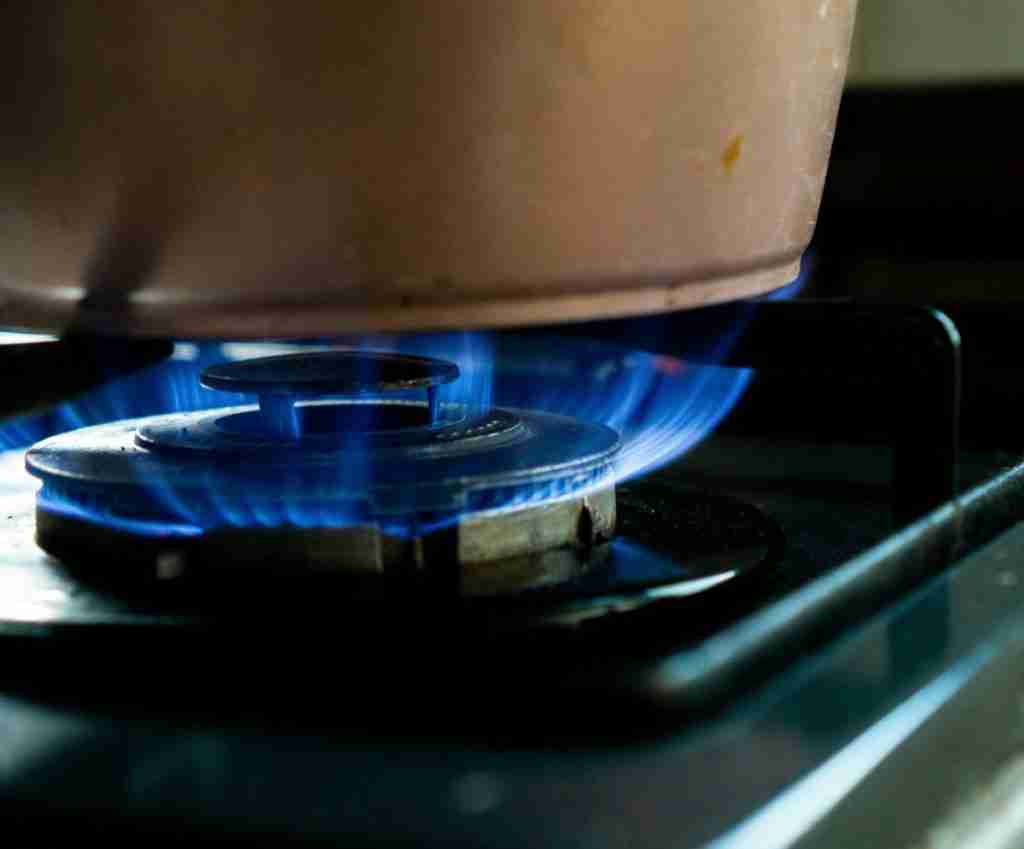
- Burning fossil fuels and wood, such as using gas hobs and wood burners
- Smoking
- Damp
- Dust
Indoor air pollution and our health
A joint report from The Royal College of Physicians and the Royal College of Paediatrics and Child Health cites evidence of a link between indoor air pollution and a range of health problems in children, including:
- Asthma
- Wheezing
- Conjunctivitis
- Dermatitis
- Eczema
People want to take action to make their air at home cleaner
The positive news is that, once people know about indoor air pollution, they will take action to mitigate it.
Making the invisible visible: the impact of revealing indoor air pollution on behaviour and welfare (Metcalfe, Roth, 2025) found, in their study of Camden residents, that real-time feedback reduced IAP by 17% overall and 34% during occupancy time. People used more natural ventilation as a result of the feedback and also changed what they thought about exposure, realising it was higher than they had thought.
Working towards better indoor air quality
We are working with Hackney Council and the City of London Corporation to raise residents’ awareness of the existence, causes and dangers of indoor air pollution.
Importantly, our work with Hackney Council and the City of London Corporation supports people to make changes at home to reduce their exposure to indoor air pollution and improve the air quality at home.
Researchers at UCL have found that low-income households in London are more likely to be exposed to higher levels of air pollution. Their report, Systemic inequalities in indoor air pollution exposure in London, UK demonstrates that location of housing and outdoor air pollution, ventilation potential of housing, time spent indoors are among the biggest factors when it comes to indoor air quality.
How we’re helping people in Hackney and the City of London breathe cleaner indoor air
Raising people’s awareness of the dangers, causes and how to reduce exposure to indoor air pollution are the main objectives of our work in Hackney and City of London.
We considered the existing systemic inequalities faced by many people and knew the importance of engaging with a cross-section of people living in these boroughs.
Using data to ensure inclusivity
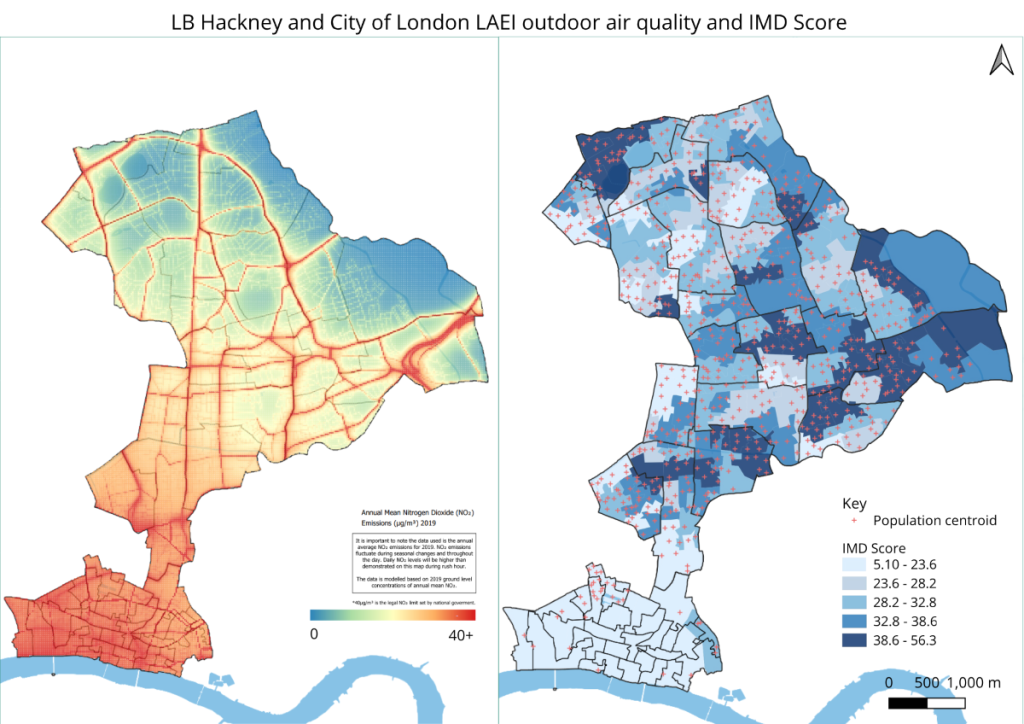
We adopted a data-led and inclusive approach using GIS software to analyse outdoor air quality, levels of deprivation and population density alongside demographic information from ONS 2021 Census data. This approach ensured we had a diverse and representative participant base across both boroughs.
Finding out how much people know
After recruiting our participants, we assess people’s initial understanding of indoor air pollution.
We deliver interactive workshops, provide at-home air quality monitoring and personalised indoor air quality action plans.
In our workshops we discuss with the residents the products many of us use in the home such as furniture cleaners and air conditioners. We also talk about the pollutants that come from burning wood for heating and cooking on gas hobs.
Working with specialists
We also bring in specialists to work with us on public engagement and education.
When we worked with residents in Hackney on indoor air pollution, the guest speaker at our workshop was Dr Norrice Liu. She is Academic Clinical Lecturer and Specialist Registrar in Paediatric Respiratory Medicine at the Blizard Institute, Queen Mary University of London.
Dr Liu spoke about the impact of air pollution on asthma rates in childhood and the long-term effects of continued exposure, including cognitive impairments in adults. She gave a detailed picture of the vital role macrophages play in protecting the lungs and the negative impact air pollution such as PM 2.5 can have on human health.
A macrophage is a type of white blood cell that helps eliminate foreign substances by engulfing foreign materials and initiating an immune response.
Testing the home environment
Each participant receives an indoor air quality monitor to take home so they can measure the levels of CO2, PM2.5, Total Volatile Organic Compounds, Nox, temperature and humidity over a period of two weeks. We provide them with instruction on how to set up the monitor and how to record air quality at home.
We can all take steps to improve our home air quality
After the two weeks, we invite participants back to a follow-up workshop and discuss their findings.
We reassure them that there are simple actions we can all take to improve our indoor air quality at home.
Good ventilation is key to improving indoor air quality
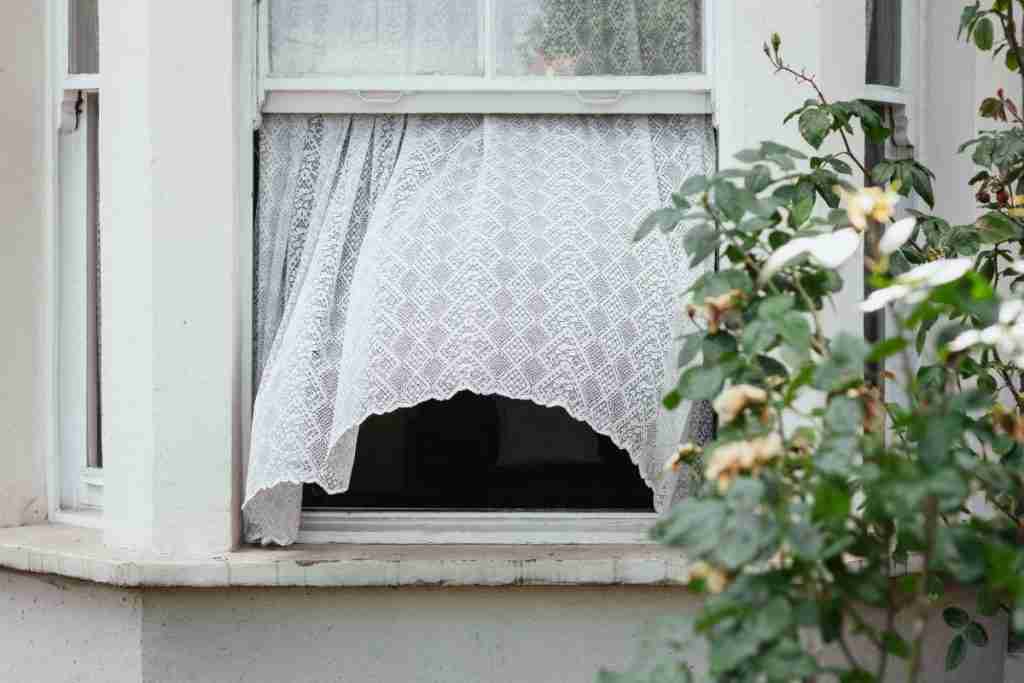
Here are just a few of the simple steps we can all take to improve air pollution in the home:
- Open windows
- Open doors
- Use extractor fans
- Choose low VOC-containing products (paints, cleaning materials)
- Avoid burning food and use lids on your pots and pans
- Have your gas boiler checked regularly
Knowledge of air pollution and what to do about it
Take look at our blog: Public knowledge of air pollution dangers vital to improving air quality
Contact us
We would love to hear from you if you would like support with helping communities where you live and work learn about and improve their indoor air quality.