
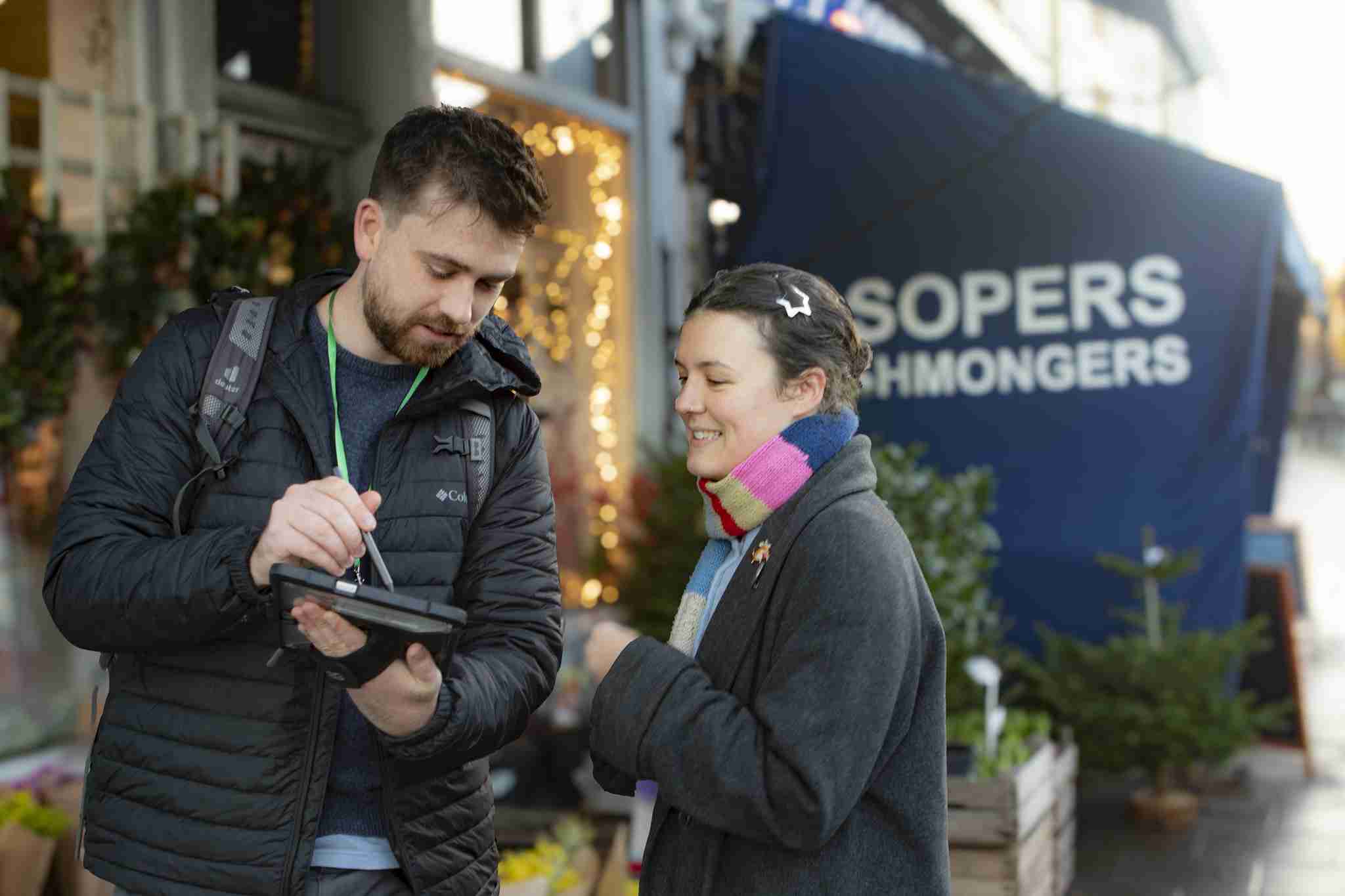
Supporting organisations with knowledge-building through surveys
- Discover what people think about the decisions made for where they live and work
- Understand people’s perceptions of council decision making
- Evaluate effectiveness and value
- Show you have made change happen
Much of our work at MP Smarter Travel supports organisations, including councils, schools, businesses and BIDs (Business Improvement Districts) in finding out what people think about issues such as traffic congestion or active travel infrastructure proposals, and how the decisions made by these bodies impact their lives.

Examples range from better understanding people’s perceptions of new traffic restrictions, to discovering what people want to see in their neighbourhood that would make it safer and more attractive.
A good reason for conducting a survey is to evaluate a project’s value for money and effectiveness. These could be questions around an issue before and after the project to assess the level of learning and desired behaviour change.
I’m Ollie Kirman and here, I explain the value of surveys in helping organisations gather insight, enabling them to prioritise resources and support policy development.
Knowing your community helps shape decision-making
We are often commissioned to develop surveys, go out into the field to ask the public about a range of issues, analyse their responses and write up the findings for our clients.
The data analysis and findings from surveys provide a solid foundation for our clients to consider what their next steps will be, prioritise their resources and decide where they spend their budget.
Surveys can also help clients identify groups it would be beneficial to engage with further, to ensure their projects are as successful as possible by directly addressing concerns or questions from the community.
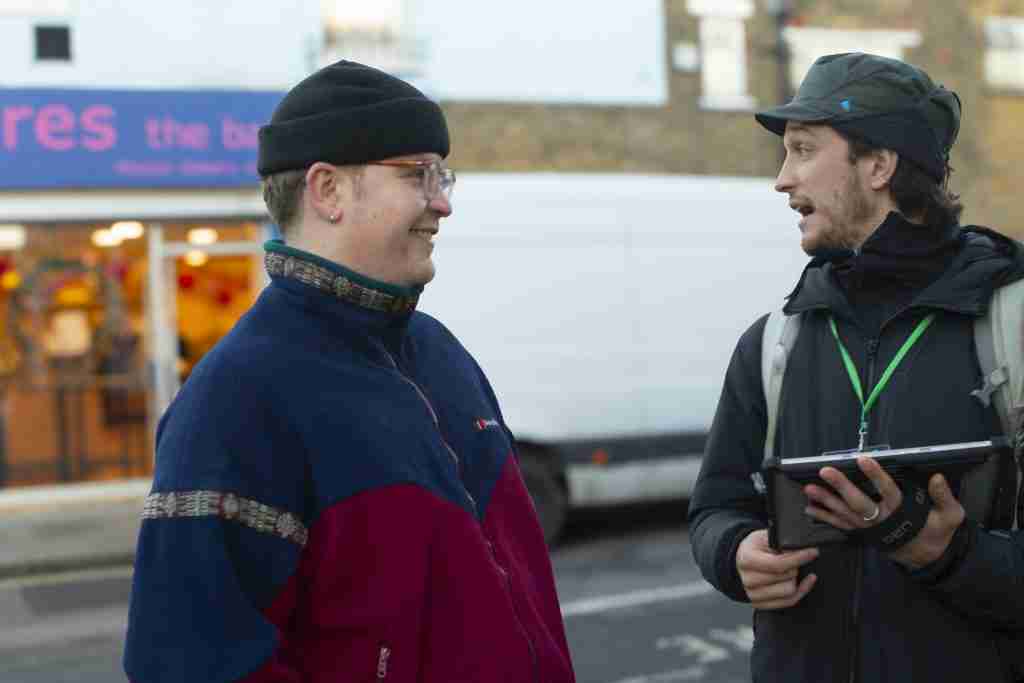
When done well, surveys capture the opinions of a diverse range of people. Importantly, these include those who are less likely to be proactively vocal about an issue. It’s an opportunity to share their views as part of a meaningful engagement process.
Gaining an immediate response out in the field
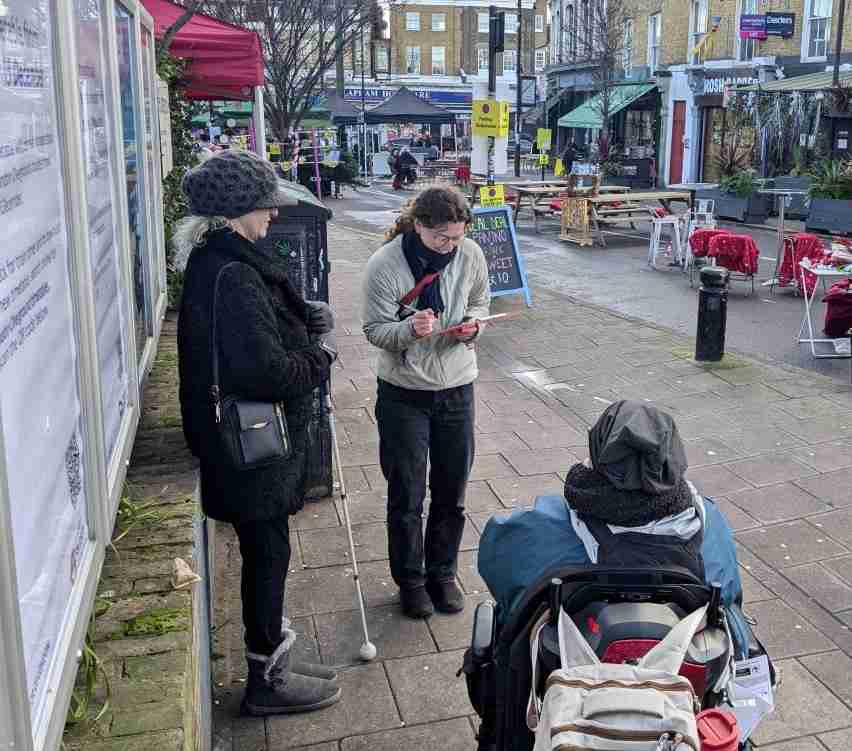
Surveys are not always in an office, online or in a classroom. I’ve been involved in surveys where I’m out on the street, utilising opportunistic sampling (i.e. speaking to any passerby) to discuss local area issues. These might cover a road junction that could be better designed, proposed pedestrianisation that may be causing concerns among business owners, or it could be about what people think would benefit the area where they live or work.
These types of surveys provide a way of gaining an immediate response when you’re out there on site. They provide a way of immediately pointing to potential issues or challenges in infrastructure, and explaining what’s good or bad about it or discussing how it could be made better.
On-site engagement is especially helpful and informative when looking for meaningful comment from residents or the general public because it often deals with something specific that is in front of you at that very moment.
When you’re asking people about where a new parklet would be an asset to their community or for their thoughts on new paving, seating or traffic restrictions, a survey can provide great feedback for the council officers (for example) who are working hard to design the town centres that people want.
Evidence to show you have made a difference
Our air pollution workshops start and end with a survey. We want to know that we have increased people’s knowledge about the issue and that they know the actions they can take to improve the air they breathe at home and outside by doing things differently. For example, this could be ventilating the home more and choosing less polluted routes for their everyday journeys. Surveys at the beginning and end of a project demonstrate knowledge transfer and, hopefully, the resulting behaviour change.
At MP Smarter Travel we often conduct hands-up surveys as part of our work in schools. Students are surveyed before and after behaviour change programmes or engineering interventions, to measure the possible impact on how they get to and from school and if there is any change in transport choices for the school run.
In the simplest example, our project objective might be to change the way children travel, from car to public transport or walking, wheeling and cycling. If the end-of-project hands-up survey shows an increase in children making this switch, we know broadly that the project has been successful in changing travel behaviour.
Surveys help make you better informed
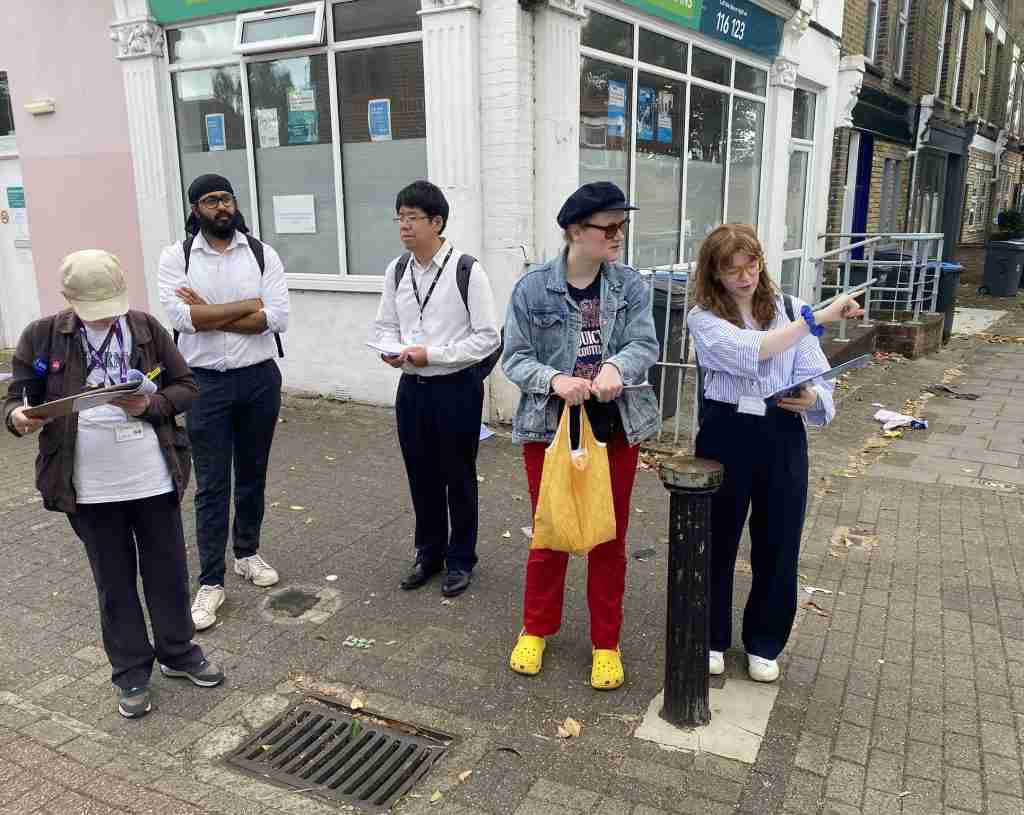
Knowledge is power. Surveys are a great way to gather lots of opinions very quickly and efficiently at relatively low cost. For example, our 20-second surveys, enable us to gather trip origin, mode of travel, spend and trip purpose across eight key areas from over 3,000 respondents. This type of survey can serve to gather information at scale that is fundamental to decision-making.
Surveys are also a way of developing an understanding of what and why people are reacting to an issue in the way they are. Most importantly, they can serve as very flexible way of gathering data that can build consensus and help shape societal decisions. You can tailor them to your needs, whether that is to get a broad sense of opinion with quantitative surveys or a more granular view using detailed, qualitative surveys with open-ended questions that give those being surveyed more scope to offer fuller feedback.
The power of listening
Surveys are one way for organisations to listen to what their communities or clients think: their concerns, their hopes, their needs.
They are a vital part of the engagement process for policymakers and leaders wanting to make changes that will affect people’s lives.
Knowing a community’s concerns, hopes and their needs is invaluable for making projects as successful as they can be. Listening should make decision-makers more empathetic. It provides an opportunity to see the world from other people’s perspectives before giving that policy the greenlight or holding back on promised changes.
Contact us
For all your survey needs, we’re here to support you: info@mpsmartertravel.co.uk