
In Great Britain, around 45% of school journeys are made by walking and 2% by cycling. Eighteen percent of secondary school journeys and 2% of primary school journeys are made by local bus.
Walking, wheeling, cycling and public transport support people to be active every day. Using public transport usually starts and ends with a walk or cycle to and from the bus stop or station, so even when you’re taking the bus or train, there’s opportunity to be active on that journey.
However, the rural school run is where there are challenges because of distance and sometimes unreliable public transport.

I’m Amy, a consultant at MP Smarter Travel. My work takes me to all types of schools, including those in rural areas. Here I talk about the challenges that rural schools face when trying to encourage more families to switch from cars to more active and sustainable ways of travel.
Walking, wheeling, cycling and taking public transport is an opportunity to get those steps in and build physical activity into the day. Given that the NHS says that adults should do at least 150 minutes of moderate intensity activity every week and most under-18s should aim for at least 60 minutes during the week, incorporating active travel into our everyday lives is one way of getting a minimum level of activity which is good for our physical and mental wellbeing.
Travelling in rural areas
While active travel, and for that matter, public transport, is often spoken about in connection with urban school journeys, it is just as important to consider these more sustainable forms of travel in rural communities.
Students and parents or carers who are responsible for ensuring the students get to and from school safely, often travel longer distances and rely more heavily on cars.
With around 9.5 million people living in rural communities in England, improving access to active travel options has the potential to benefit many young people and reduce pollution too.
Walking, wheeling and cycling build self-reliance and independence from a young age
Research shows that regular active travel for students not only supports better physical health but is also good for mental health.
Enabling young people to get around actively without having to be dependent on a car, and therefore on adults to drive them to where they need to go, gives them independence and is good for establishing self-reliance from a young age. On top of these advantages, supporting families to walk, wheel and cycle or take public transport reduces traffic congestion, improves air quality and is overall less expensive than running a car.
In rural communities, schools may be several miles away from home, making the journey too long to realistically walk or cycle. The journeys may also be unsafe for children to walk, wheel or cycle due to roads being narrow, fast-moving cars, and they may be without pavements. All this can discourage active travel.
My experience of public transport in the countryside
On one of my first visits to a rural school in the middle of winter, I experienced these challenges first-hand.
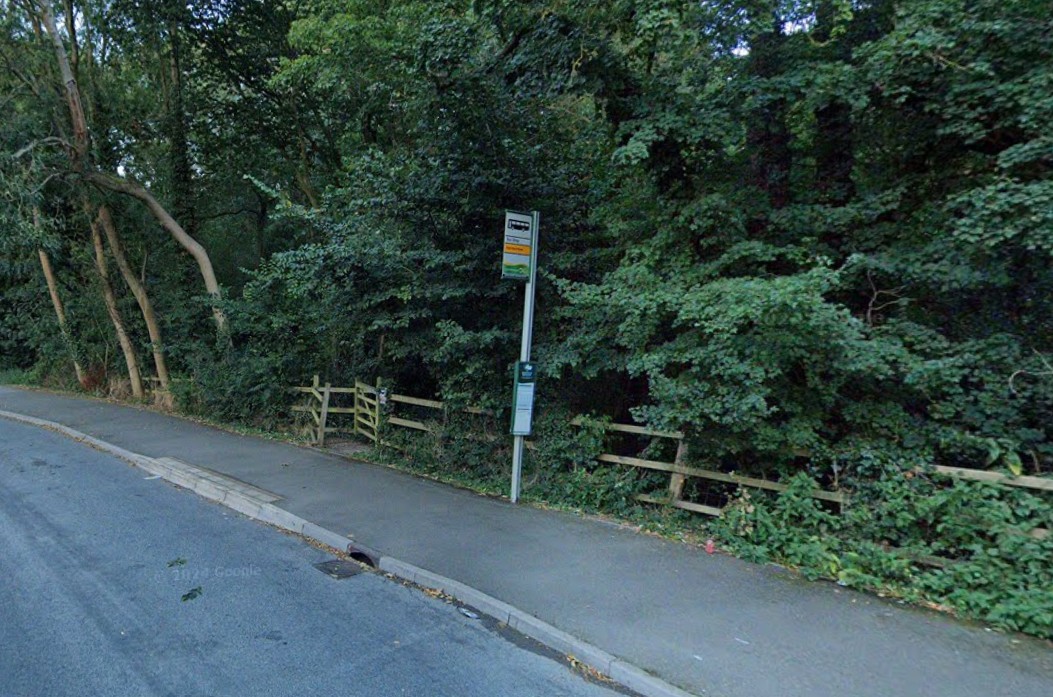
After a 30-minute walk from the school, I reached a bus stop that was not much more than a signpost beside a dark road and forest. There was no shelter, no lighting and nowhere to sit. Two buses were scheduled during the 45 minutes I waited, but neither arrived. By the time I reached the local train station, I had missed my train and had to wait another hour, in the cold. This turned what should have been a 90-minute journey back to London, into nearly double that time. It was then that I saw the reality that many students attending rural schools deal with every single day.
Deserted places to wait and unreliable services discourage people from using public transport. They turn to the car which then becomes a habit that is difficult to shift.
Reliance on cars has grown at rural schools. Research suggests that the proportion of children walking to school in rural areas fell from nearly 35% to around 25% between 2022 and 2023.
Improving active travel in rural areas requires many different people coming together to develop a transport service that works for families. The right funding always helps as does thinking more creatively to come up with a solution.
Rural public transport needs more investment and innovation
As I found, public transport services in rural areas can often be limited, many routes are unreliable and services are sparse. This situation is challenging not only for school students but for everyone living in the rural community, particularly those people who aren’t able to drive or who don’t have access to a car.
Travelling to a rural school using public transport can require multiple connections or long walking distances, which make it more inconvenient than driving. Many people recognise this gap and are actively campaigning for better bus services. Campaign for Better Transport is one organisation behind some of that great campaigning.
Buses are key to tackling loneliness and social exclusion and help ensure thriving communities. They are crucial to reducing congestion on our roads, and zero emission buses help tackle air pollution and climate change. We want to see a regular, reliable, affordable, zero-emission bus network in every village, town and city.
Campaign for Better Transport
What can local authorities do?
Local authorities should focus on safe route planning and small infrastructure improvements. Even pavements, designated crossings outside of schools to improve road safety, or lower speed limits can make a big difference as to whether parents feel comfortable allowing their children to walk, wheel or cycle. Active Travel England (ATE) has called on councils to consider 20mph speed limits as part of its new rural design guidance in 2026.
I would like to see schools and local authorities encourage Park and Stride schemes, where families park away from the school and walk the final section of the journey. This helps avoid congestion around the school gate and is also an opportunity to get some activity into the journey.
What can schools do?
William Gilbert Primary School in Derbyshire has been acknowledged for setting a benchmark for rural schools encouraging families to ditch their cars. They have been working with Living Streets to promote Park & Stride locations in the county.
I’ve worked in areas where rural schools have successfully partnered with public bus services. In term-time, the bus route includes the schools in the area so students can easily travel to and from school by bus.
Schools themselves play an important role in encouraging active travel. As part of the MP Smarter Travel team, I have worked with schools developing travel plans that encourage sustainable journeys and reduce congestion around school gates.
Technology can help manage sustainable journeys
Digital tools such as the HomeRun app can also help schools and parents coordinate safer school journeys. This app works by combining anonymised journey data with behavioural, geographic, and demographic insight, building a clear picture of what’s happening on the school run, and the changes to people’s travel habits that would be most realistic.
I have seen first-hand how rural counties such as East Hertfordshire and Cambridgeshire successfully collaborate with schools and transport providers to improve active travel and public transport options for students.
If we want to reduce fossil fuel traffic and relieve people of the costs of running a car in rural areas, there must be more bus services that include schools on their route, safer streets for walking, wheeling and cycling, and further investment in park and stride.
Get in touch
If you want to explore ways to encourage a more sustainable school run, email the team on info@mpsmartertravel.co.uk
We’d love to hear from you.