
Innovation through collaboration
- Opportunities for new thinking
- Collaborating with universities and communities
- Solving problems through engineering
- Taking prototypes from the lab into the real world
Collaboration is something we thrive on at MP Smarter Travel. It’s good for innovation, sharing ideas and creating a world where communities in all their diversity and ingenuity, have a stake in the place where they live and work.
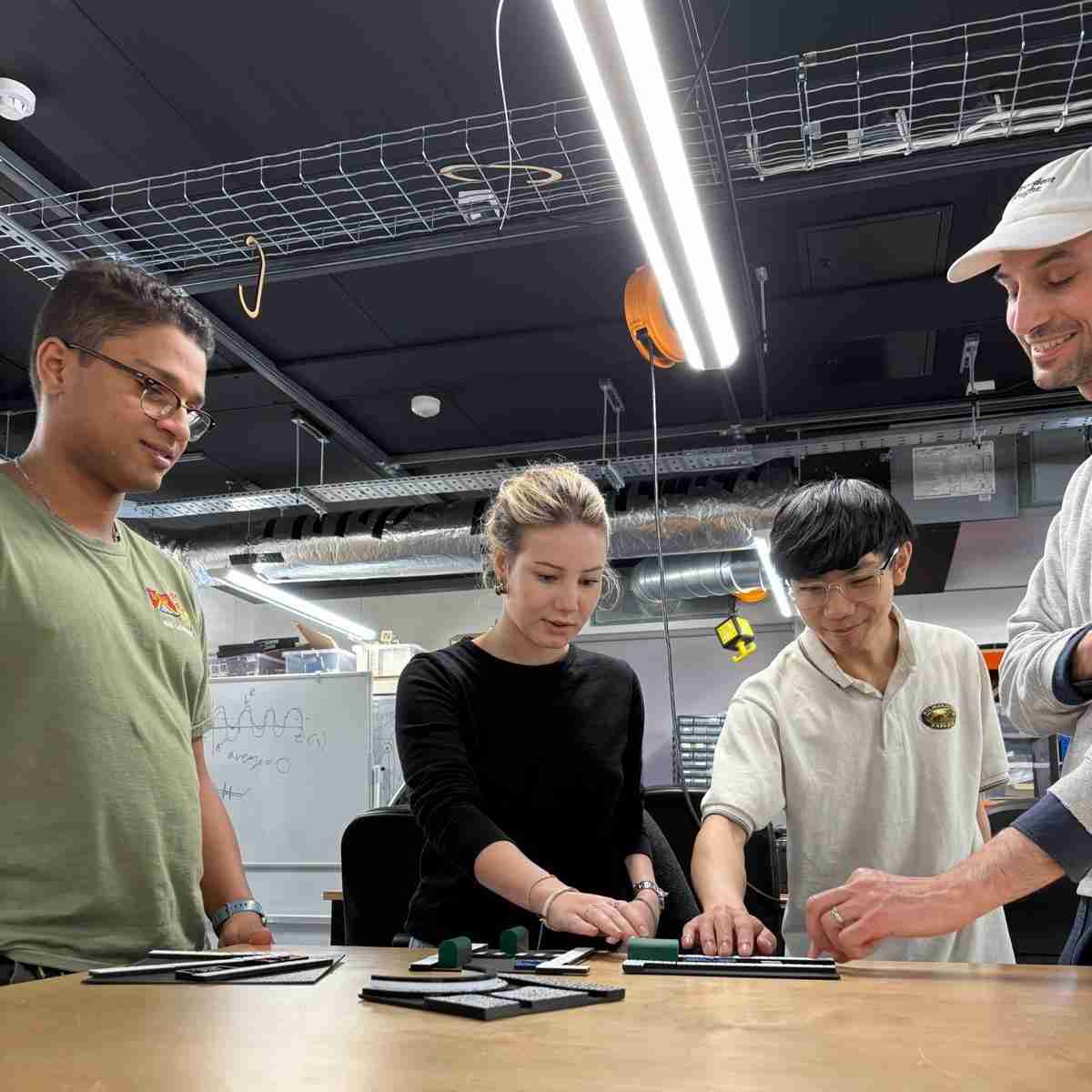
We are thrilled and excited to be working with engineering student, Nicholas Solly and Professor in Design Engineering, Dr Sam Fishlock from The Engineering and Design Institute (TEDI), London.
They are developing 3D models of street infrastructure to enhance the engagement process around town planning and street design for Disabled people.
Here, Nicholas tells us about his and Sam’s experience of working with the Accessibility Working Group in Lambeth, south London, and the part they have played in making the public engagement process as meaningful as possible for Disabled people in the borough.
Making a difference through design engineering
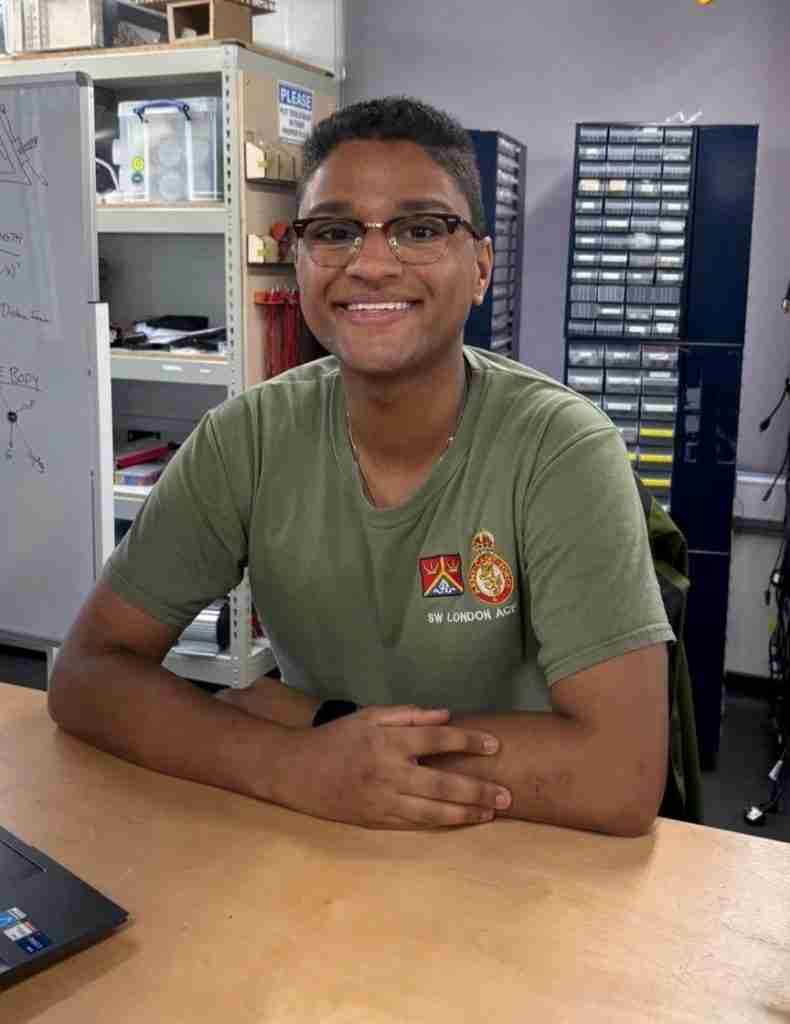
As I write this, I’m a third-year undergraduate engineer at TEDI-London. I currently study Global Design Engineering.
Both Sam and I are dedicated to user-centred design, accessibility design and sustainable engineering. We see these as our tools for improving the world around us.
Engineering is all about solving problems and creating the best tools possible to help society function more effectively. You only have to think about Isambard Kingdom Brunel (bridges) , Sir Joseph Bazalgette (sewers) and George Stevenson (railways), Ada Lovelace (algorithms), Stephenie Kwolek (Kevlar) and Dr Eniola Fasan (sustainable materials for the energy and automotive industries) to appreciate the lasting impact engineering has on how we live.
From the lab to the real world
I love the fact that my work in the lab is for practical application to help people.
Our partnership with MP Smarter Travel and Lambeth Council’s Accessibility Working Group is very exciting. It brings our work in the lab to life.
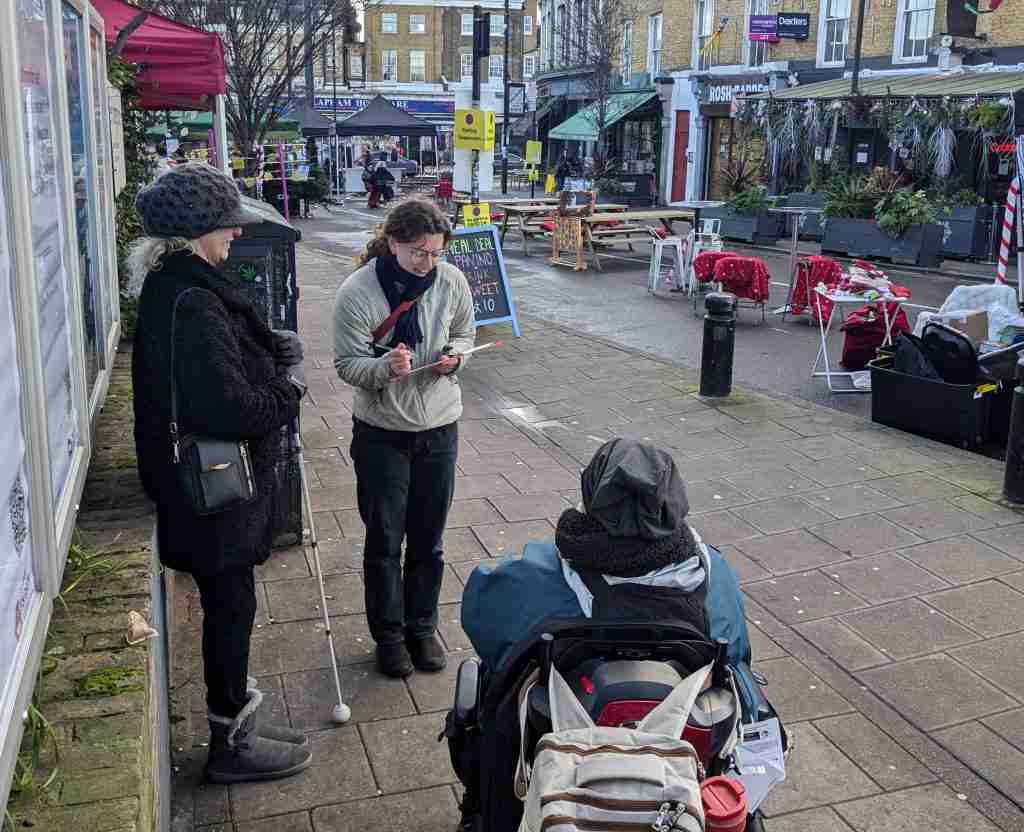
We first started working with MP Smarter Travel several years ago with a range of collaborative projects, including looking at cargo-bike planning, air quality monitoring, and the work I’m focusing on here, with the Accessibility Working Group.
As academics and students, we value the opportunity to work on meaningful issues where we can have a direct impact, improving the lives of our fellow citizens.
Consultants-by-experience
The Accessibility Working Group is a group of people who live in the London Borough of Lambeth. It includes people with mobility and visual impairments and neurodivergence. The group reflects diversity within the Disabled community. Members of the group advise us as consultants-by-experience, helping us view the urban environment from their perspective.
The group reviews proposed or on-going planning changes to public spaces from Lambeth Council and provides feedback on what works well and what could be improved at various locations around the borough.
Collaborating with them gives us the opportunity to understand the way in which many Disabled people experience the urban environment around them and their experience of what it’s like to take part in regular local authority public engagement activity.
Nothing beats in-person conversation
The Accessibility Working Group meets every month. Being there, you get to know, for example, that high contrast in signage and on the pages of consultation documents is vitally important for visually impaired people. Neurodivergent people can find lots of colours and shapes, disorientating. Some people with mobility impairments need seats on our streets to have a back and arms so they can support themselves as they sit down and stand up.
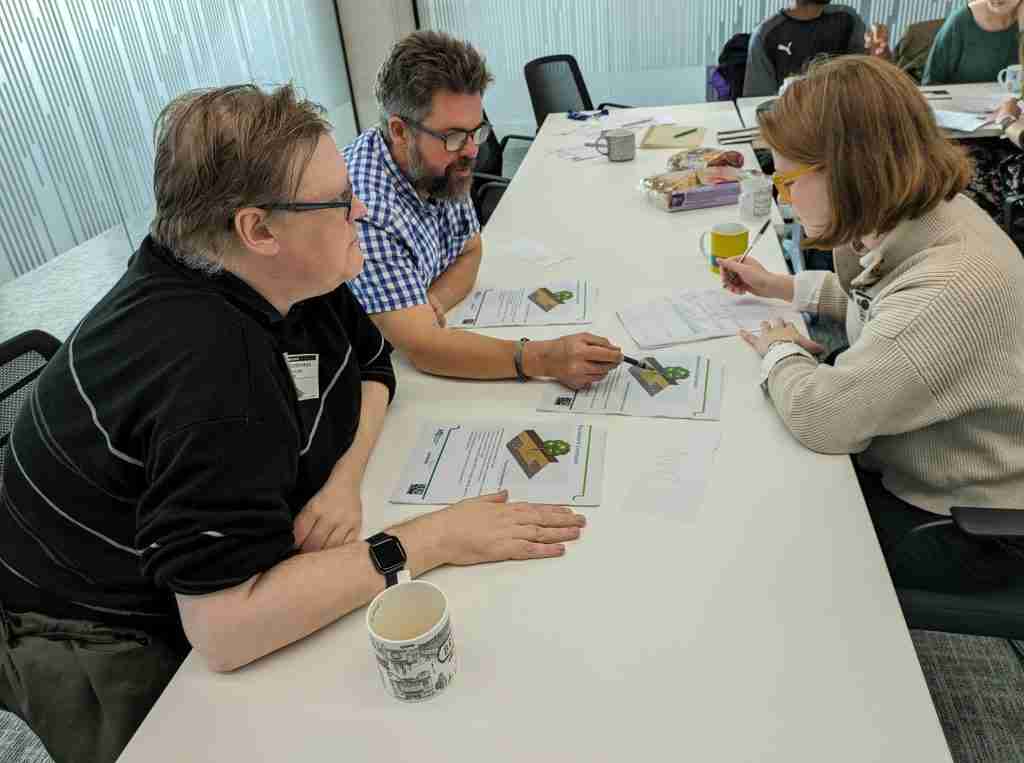
With Lambeth Council, we’re trying to remove systemic barriers that Disabled people face when it comes to getting involved in council consultations and the decision making processes about street design in the areas where they live and work.
Some members of the Accessibility Working Group are visually impaired. Just like everyone else, they need to understand and have a picture in their minds of the council’s vision for how streets look and are laid out, so they are able to comment on it and put forward their ideas as part of the council’s public engagement process. They need to understand the layout of pavements, street furniture and road junctions, to pick just three examples, and any changes that the council may be wanting to make.
When I started working on developing the interactive tactile models, the team at Lambeth were using cardboard models. They also would provide verbal explanations, which can be time-consuming and still result in confusion.
3D printing to represent real-world locations
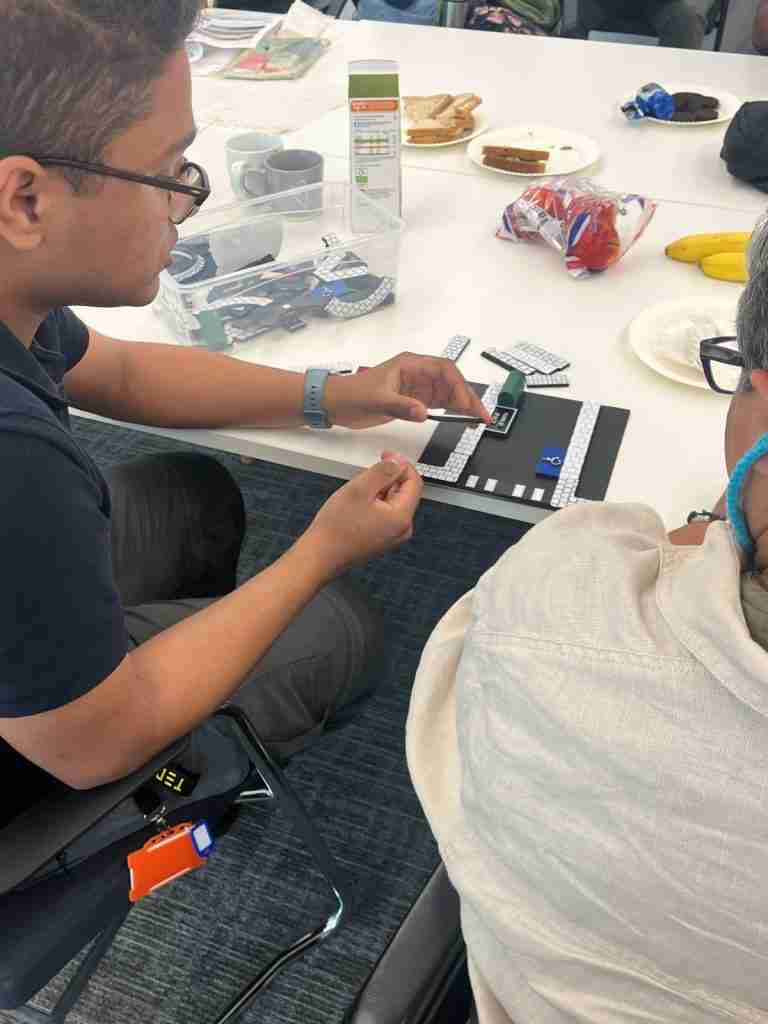
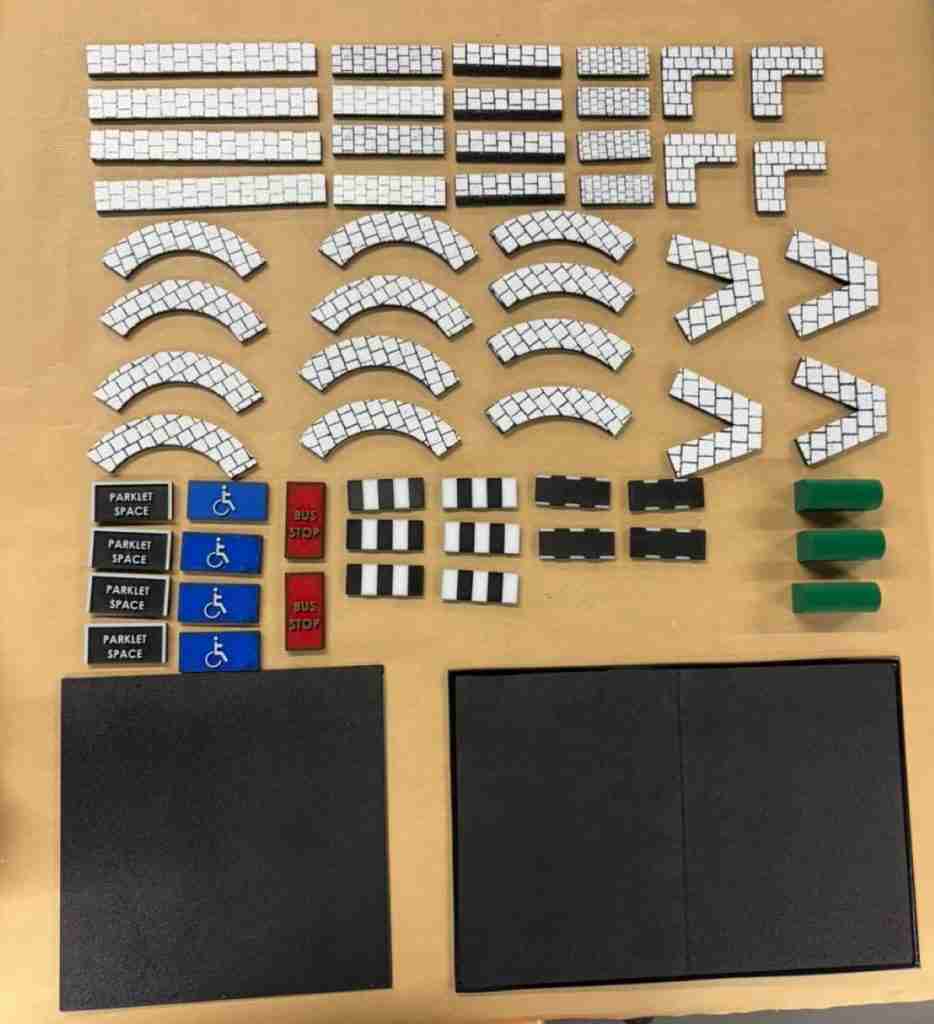
In my mission to provide an engineering solution to this challenge, I have been designing an improved system. Having conducted design research by attending Accessibility Working Group meetings and also taking on concepts from other research, I designed and prototyped tactile and interchangeable maps using 3D printed components, that better represent real-world locations.
Through touch, these maps help visually impaired people build a clearer understanding of the sites that the council is asking for comment on. The 3D maps help people to provide the council with more precise feedback.
Modular 3D maps
Given these 3D maps are interchangeable, members of the Accessibility Working Group are able to take the pieces apart and reassemble them to show how they would redesign the site in question so it would work better for Disabled people.
Quick and low-cost engagement tool
The printed models provide a meaningful way to engage Disabled people, especially those who are visually impaired. They are also quick and low cost to make. At TEDI, we’re hoping that they will become the norm in local government public engagement and make a permanent change for wider inclusivity in that democratic process.
Our work with the Accessibility Working Group and our development of these 3D maps supports MP Smarter Travel in its recommendations to Lambeth Council about how to create public spaces that are welcoming to everyone.
A unique and enlightening experience
I have found collaborating with the Lambeth Accessibility Working Group and MP Smarter Travel a very rewarding experience. It has been quite unique.
Unlike typical university degree modules, it has involved real people, real sites and real challenges. This made the work feel very meaningful with real-world implications, especially with the members of the Accessibility Working Group being at the forefront of the design and production of the 3D street design modular maps.
A key lesson for us was that things don’t always go according to plan. In theory, we assume everybody is on board, but views about the 3D maps were mixed. Some people fully supported the idea, others felt that certain aspects of the project could be improved.
The Accessibility Working Group taught me that engineering isn’t just about finding the “right” solution, but understanding people’s needs and working with different perspectives to make progress towards a better and more polished solution.
Lab photos: TEDI
Engagement photos: MP Smarter Travel
Read more about the Lambeth Accessibility Working Group
Guest blog by Andre Lom, member of the Accessibility Working Group: Accessibility Working Groups should be embedded in all planning authorities
Blog by our lead consultant on accessibility, Amy Cunningham: Designing inclusivity into our streets