
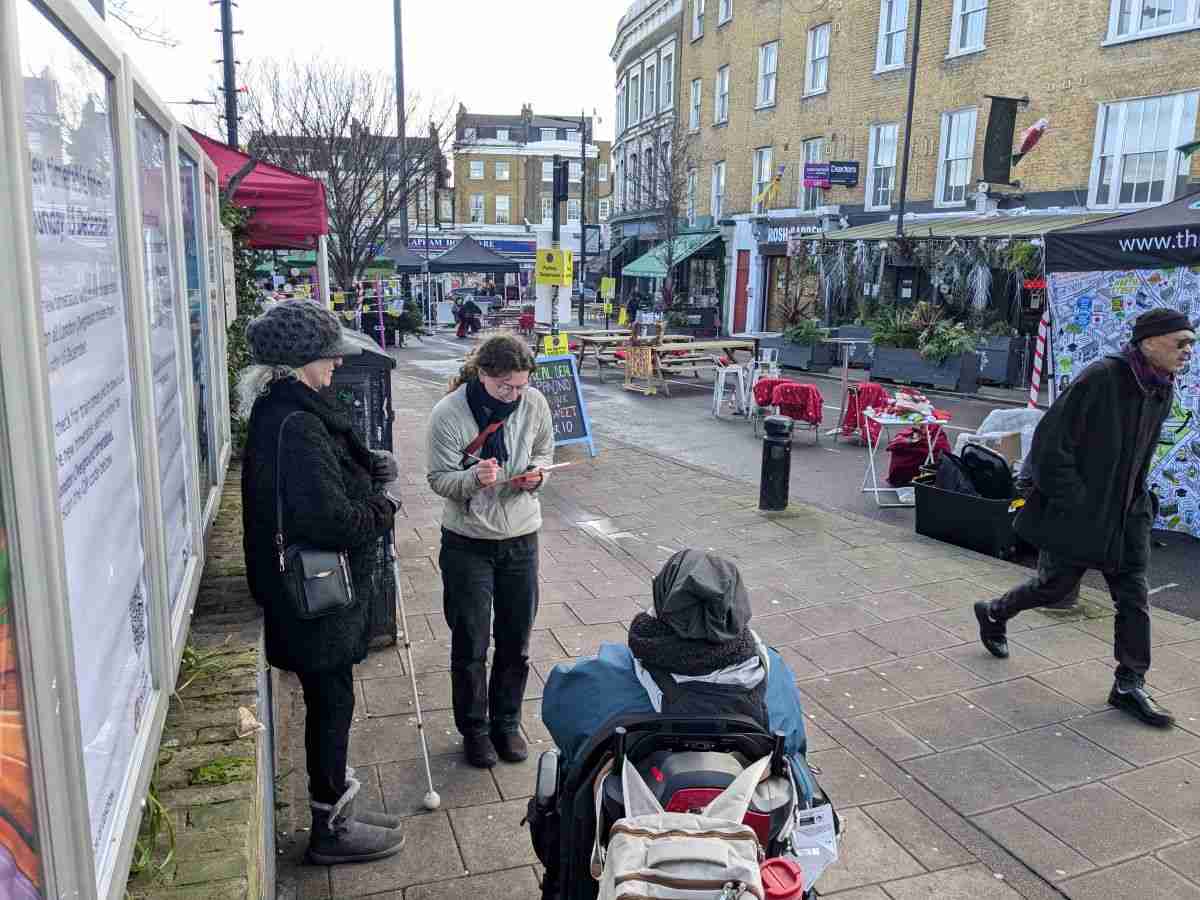

We know physical activity is good for us. So designing inclusivity into our streets is vital for everyone’s health.
A significant proportion of adults do not meet the NHS’s recommendation of 150 minutes of moderate activity every week.
Sport England research says that significantly fewer disabled people are active that non-disabled people. We need to close the activity gap so everyone has the opportunity for healthier and more active life.
I’m Amy Cunningham and I’ve been working with Lambeth Council on developing an Accessibility Working Group. Working together, with the south London borough, we’re ensuring inclusivity is embedded in the planning process right from the start.
Working with disabled people to transform London’s streets
Travelling around a bustling city like London can be a challenge for many. But disabled people often face unique challenges when it comes to exploring new places. In London, 13% of the population identifies as disabled. For these people, the concept of active travel takes on new dimensions.
London boroughs have been progressively changing the city landscape to provide infrastructure that encourages active travel.
These changes can have a much greater impact on the lives of people who are disabled.
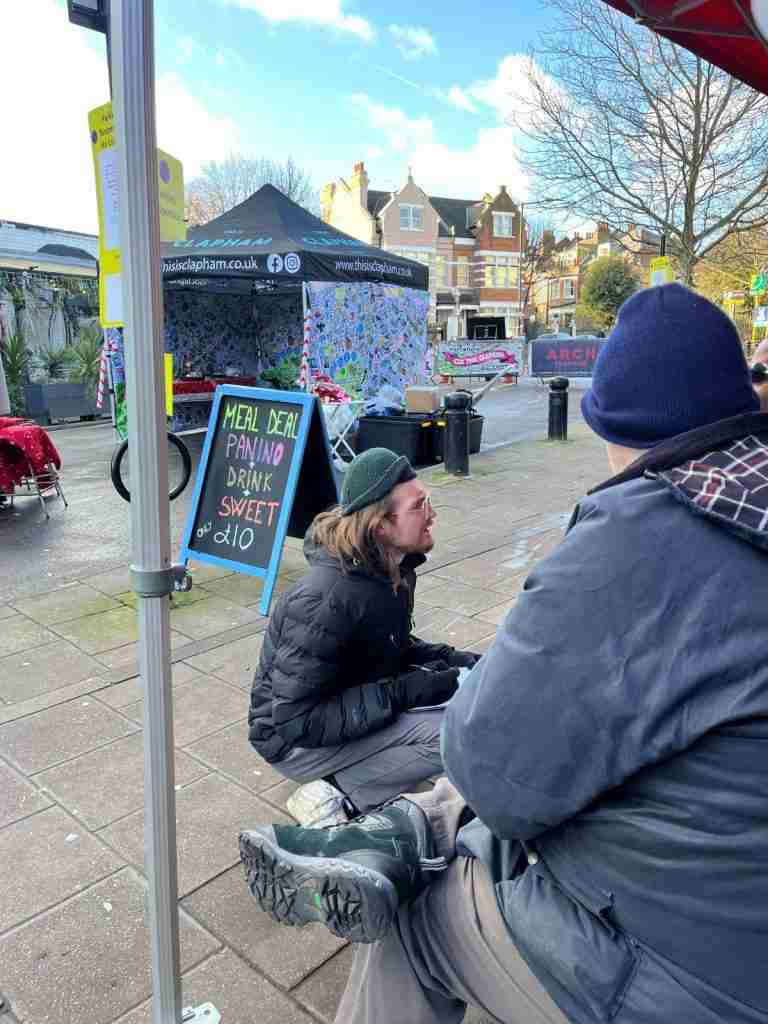
Working with disabled people is vital to ensuring that planners design streets that work for all of us.
We’ve been working with Lambeth Council to form the its Accessibility Working Group (AWG). It’s a brilliant group of people who we go out on the street with to look at the borough’s streets including furniture, junction layout, steps, dropped kerbs and more. They talk about the barriers they face just trying to go out to the shops, see friends or get to work.
The work has produced common themes which all boroughs should consider when creating, maintaining, or upgrading street space, parks, and transport facilities.
Places to rest
Creating places to rest is important for everyone in the community. More so for many people who find it challenging to walk or who face daily fatigue.
Street seating also helps to make public space more welcoming. They build a sense of community where we all belong and allow everyone to experience and enjoy being outdoors.
Choosing the right street furniture
AWG members tell us that many of the benches you see in our towns and cities are not great for disabled people.
As boroughs upgrade public spaces, ensuring benches can be used by everyone is vital to designing out inequalities in our urban environment.
Our AWG members suggest that benches should feature an open end without handles, allowing wheelchair users to easily access them. They should also have tall backrests and a wide base for comfort.
Some boroughs are integrating benches into child play areas, transforming them into imaginative playgrounds that cater to children and provide comfortable seating for carers and people living with mobility challenges.
This inclusive approach fosters social interaction and community spirit, ensuring that all residents can actively participate in city life. Making benches accessible is not only about physical comfort but also about fostering inclusivity and a sense of belonging for everyone in the community.
Using colour in our public spaces
Colourful street design, signage and public art can enhance a public space and make it an enjoyable and inviting place for people to spend time. But AWG members have shown us how colour must be used in a careful and considered way.
Colour can be a barrier
Colour can also have a negative impact on some people’s ability to find their way through an area and create barriers.
Poor contrast between surfaces and signage can make it difficult for a visually impaired person to distinguish important features such as crossings or to safely navigate our streets.
People with cognitive disabilities might struggle with overly complex colour schemes, which can overwhelm and disorient them. When planners and designers are deciding on colours in public spaces, it is essential that they consider people’s diverse needs to ensure accessibility and inclusivity for everyone.
When colour is an asset
Ensuring colour contrast on signage can often make journeys on foot much easier for people with visual impairments. It can offer them a new type of navigational aid.
Good lighting that increases colour contrast and bold letters on wayfinding signs should also be considered as part of the street design process.
Changes to paving
The members of the AWG tell us how, installing tactile paving at all crossings significantly reduces their stress levels during their journeys. They provide clear, textured cues that enhance navigation and safety.
They also tell how important it is to incorporate colour-contrasted tactile paving for those with limited sight. If permanent tactile paving installation isn’t feasible, durable temporary solutions like adhesive tactile flooring can still greatly enhance accessibility along pathways.
Different impairments often lead to contrasting needs and perspectives on design. For instance, tactile paving, while essential for those with visual impairments to navigate spaces safely, can be uncomfortable or even painful for individuals with mobility aids. Similarly, continuous footways might aid wheelchair users with smoother transitions but can confuse those with visual impairments who rely on distinct cues to identify crossings.
An accessible and inclusive London
The journey towards a more inclusive and accessible London is a collective responsibility that requires proactive measures from boroughs and communities alike. Through collaborative efforts and sustained commitment, boroughs can address common themes identified by accessibility working groups. This will ensure that roads, parks, and transport facilities are designed with inclusivity in mind.
An inclusive public space is one that everyone can benefit from and enjoy.
Hear from Lambeth’s Accessibility Working Group
We chatted on camera to members of the AWG. Amy and Highways Engineer Mark Philpotts talk about their work on creating accessible and inclusive street design. Take a look at how MP Smarter Travel works with boroughs and accessibility groups.
Contact us
MP Smarter Travel would love to hear from boroughs and highway authorities across the UK who want to develop their own Accessibility Working Groups.
Contact us at info@mpsmartertravel and start building your working group.